
Lampasas Veterinary Clinic

1940 E. Hwy 190

Lampasas, TX 76550 US

512-556-5533

Open mobile navigation
  • Home
  • About Us
    • Services
    • Meet Our Team
  • Contact Us
  • Blog
  • Veterinary Topics
    • Pet Health
      • Chronic Conditions
      • Digestive and Oral Health
      • Diseases and Viruses
      • Pests and Parasites
      • Orthopedics
    • Today's Veterinarian
    • Choosing Your Pet
      • Finding Your Pet
      • Cats
      • Dogs
      • Exotics
        • Amphibians
        • Birds
        • Reptiles
          • Lizards
          • Turtles
      • Small Mammals
        • Ferrets
        • Rabbits
        • Domesticated Animals
          • Prairie Dogs
        • Pocket Pets
          • Chinchillas
          • Guinea Pigs
          • Hamsters
          • Hedgehogs
          • Rats
      • Livestock
        • Cows
        • Donkeys, Horses & Mules
        • Goats
        • Pigs
        • Poultry
        • Sheep
    • Living With Your Pet
      • Bringing Your Pet Home
      • Children and Pets
      • Providing Care
      • Travel
      • Saying Goodbye
    • Newsletter Library
      • Cats
      • Tips for Pet Owners
      • Behavior & Training
      • Fleas & Parasites
      • Keeping Pets Healthy
      • Recognizing Illness
      • Nutrition & Food
      • Pet Dangers
      • Seasonal Topics
      • Visiting the Vet
      • Equine
      • Newsletter Archive
        • Fun with Pets
        • Unbelievable Pets
    • Video Newsroom
      • Health Topics
      • Technology and Science
      • Other Interests
    • Newsletter Library
    • Client Survey
    • Pets4Kids
  • Home >
  • Articles >
  • Newsletter Library >
  • Recognizing Illness >
  • Ear Problems for Pets

Ear Problems for Pets

  • Created in Newsletter Library, Recognizing Illness
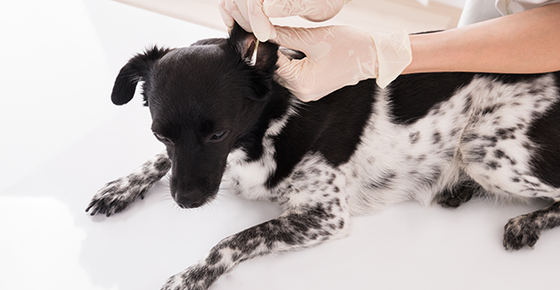
Image of dog getting ears examined.

Symptoms of ear disease are shaking the head, scratching at the ears, discharge from the ear canal, odor from the ear, or redness of the ear flap or entrance to the ear canal. Your pet may be tilting their head to one side although it's important to point out that there are causes for this other than ear disease. The color and consistency of discharge may vary from yellow liquid to black wax, but the color does not indicate one particular cause.

Causes of Ear Problems for Pets

The causes of ear disorders are due to infection, allergy, foreign bodies, or tumors. Your veterinarian will examine the ear canal with an otoscope which allows the long canal to be inspected along its entire length. The exam will also help your veterinarian determine if the eardrum is intact. This may require sedation or anesthesia if the ear is very painful or if the pet is not cooperative. A sample of the discharge will be examined under a microscope for any organisms. This information will help your veterinarian in developing an appropriate treatment plan.

Infections of the ear can be due to yeast, bacteria, or ear mites. Yeast infections are by far the most common, accounting for an estimated 75% of cases in dogs. Bacterial infections cause about 20% of ear infections, and ear mites cause about 5% (or less) of cases in dogs. Bacteria resistant to antibiotics are an increasing cause of ear infections. This is diagnosed with a culture and sensitivity by a laboratory. Some bacterial infections can even perforate the eardrum.

Allergies are a very common cause of ear problems, in fact, many of the yeast infections are secondary to an underlying allergy. If there are recurring ear symptoms, allergy is almost certainly the cause. Environmental allergens such as pollen, molds, and house dust mites are frequent causes of allergy. Food allergy is also a common cause of ear problems. A pet is not allergic to a brand of food, but is allergic to one or more food ingredients. A food trial is the only method to determine if a food allergy is an etiology. There is no reliable blood or intradermal skin test for food allergy. Consequently, flea allergy is generally not a cause of ear abnormalities.

Occasionally a foreign body will make its way into the ear canal and cause irritation or even perforate the eardrum. Pieces of plants, especially seedpods called foxtails, are a common foreign body that can cause ear problems. Anesthesia may be needed to remove the object. Tumors, which are even more rare, may develop in the ear canal and cause a blockage. Surgery may be needed to remove the mass and pathology should be performed to determine if it is benign or malignant.

Treatment for Your Pet

Treatment of ear problems will depend on the cause of the disease, for example, a bacterial infection is treated differently than a yeast infection. A foreign body needs removal while ear mites need a parasite treatment. In general, treatment often involves oral medicine, topical medicine, and ear cleansers. It is also important to know whether the eardrum is intact, as many topical medications can't be used if there is a ruptured eardrum. In more advanced cases surgery may be the preferred method of treatment.

Ear problems are a malady your veterinarian sees on a regular basis. Most are healed with routine treatment but some cases can be more challenging. It is important to have a thorough exam, appropriate treatment and a follow-up plan to check on progress and ensure complete recovery. Many "repeat" infections are cases that never truly healed completely. Your veterinarian is your pet's best friend when it comes to ear problems so don't hesitate to call with your questions or make an appointment if you are concerned that your pet may be experiencing ear problems.

  • Pet Health
    • Chronic Conditions
    • Digestive and Oral Health
    • Diseases and Viruses
    • Pests and Parasites
    • Orthopedics
  • Today's Veterinarian
  • Choosing Your Pet
    • Finding Your Pet
    • Cats
    • Dogs
    • Exotics
      • Amphibians
      • Birds
      • Reptiles
        • Lizards
        • Turtles
    • Small Mammals
      • Ferrets
      • Rabbits
      • Domesticated Animals
        • Prairie Dogs
      • Pocket Pets
        • Chinchillas
        • Guinea Pigs
        • Hamsters
        • Hedgehogs
        • Rats
    • Livestock
      • Cows
      • Donkeys, Horses & Mules
      • Goats
      • Pigs
      • Poultry
      • Sheep
  • Living With Your Pet
    • Bringing Your Pet Home
    • Children and Pets
    • Providing Care
    • Travel
    • Saying Goodbye
  • Newsletter Library
    • Cats
    • Tips for Pet Owners
    • Behavior & Training
    • Fleas & Parasites
    • Keeping Pets Healthy
    • Recognizing Illness
    • Nutrition & Food
    • Pet Dangers
    • Seasonal Topics
    • Visiting the Vet
    • Equine
    • Newsletter Archive
      • Fun with Pets
      • Unbelievable Pets
  • Video Newsroom
    • Health Topics
    • Technology and Science
    • Other Interests
  • Newsletter Library
  • Client Survey
  • Pets4Kids

Welcome new patients!

Call now to schedule an appointment.

512-556-5533

  • Services

    We strive to provide complete care for our patients. Learn more about all the services we provide.
  • Make An Appointment

    We will do our best to accommodate your busy schedule. Schedule an appointment today!

    (512) 556-5533

Office Hours

Monday:

7:30am

5:30pm

Tuesday:

7:30am

5:30pm

Wednesday:

7:30am

5:30pm

Thursday:

7:30am

5:30pm

Friday:

7:30am

5:30pm

Saturday:

Closed

Closed

Sunday:

Closed

Closed

Location

Find us on the map

  • "You've given me hope. You & the staff are awesome. Thank you for taking care of Scooter & us."
    Pamela Moldenhauer-Ahern

Featured Articles

Read about interesting topics

  • March Newsletter: How to Keep Your Cat Safe When Outdoors

    Wondering how your cat can safely spend time outdoors? ...

    Read More
  • March Newsletter: How to Choose Safe Blankets for Pets

    Do you know how to pick a safe blanket for your pet? ...

    Read More
  • February Newsletter: How to Reduce Dental Anxiety in Pets

    Does your pet hate toothbrushing? These tips could reduce dental anxiety. ...

    Read More
  • February Newsletter: How to Safely Change Your Cat’s Food

    Buying a new food for your cat? Find out how to switch foods safely. ...

    Read More
  • January Newsletter: Signs Your Pet Needs a Wellness Exam

    Does your pet need a wellness exam? ...

    Read More
  • January Newsletter: How Your Veterinarian Can Help If Your Pet Ingests Something Toxic

    Has your pet eaten something it shouldn't have? Find out how your vet can help. ...

    Read More
  • December Newsletter: Signs Your Pet Needs a Professional Cleaning

    Do you know when your pet needs a professional cleaning? ...

    Read More
  • December Newsletter: Simple Ways to Keep Your Home Flea-Free for Your Pet’s Well-being

    Never want to see another flea again? Try these tips for a flea-free home. ...

    Read More
  • November Newsletter: The Importance of Bloodwork for Your Pet’s Health

    Wondering if your pet really needs bloodwork? Find out the benefits of blood tests for your furry friend. ...

    Read More
  • November Newsletter: Turkey Day Tips for Pet Owners

    Don't forget about your pet when making Turkey Day preparations. ...

    Read More

Newsletter Sign Up

Connect With Us

  • Copyright © 2026 MH Sub I, LLC dba iMatrix.
  • Admin Log In
  • Site Map